Download the PHP package markshust/magento2-module-hierarchycomplexidcompatibility without Composer
On this page you can find all versions of the php package markshust/magento2-module-hierarchycomplexidcompatibility. It is possible to download/install these versions without Composer. Possible dependencies are resolved automatically.
Download markshust/magento2-module-hierarchycomplexidcompatibility
More information about markshust/magento2-module-hierarchycomplexidcompatibility
Files in markshust/magento2-module-hierarchycomplexidcompatibility
Package magento2-module-hierarchycomplexidcompatibility
Short Description The Hierarchy Complex ID Compatibility module makes the hierarchy compatible with long URL identifiers containing subpaths.
License MIT
FAQ
Example:

In general, it is recommended to use always a project to download your libraries. In an application normally there is more than one library needed.

- Some hosting areas are not accessible by a terminal or SSH. Then it is not possible to use Composer.
- To use Composer is sometimes complicated. Especially for beginners.
- Composer needs much resources. Sometimes they are not available on a simple webspace.
- If you are using private repositories you don't need to share your credentials. You can set up everything on our site and then you provide a simple download link to your team member.
- Simplify your Composer build process. Use our own command line tool to download the vendor folder as binary. This makes your build process faster and you don't need to expose your credentials for private repositories.
Informations about the package magento2-module-hierarchycomplexidcompatibility
MarkShust_HierarchyComplexIdCompatibility
The Hierarchy Complex ID Compatibility module makes the hierarchy compatible with long URL identifiers containing subpaths.





Table of contents
- Summary
- Requirements
- Installation
- Usage
- License
Summary
The Hierarchy Complex ID Compatibility module makes the hierarchy compatible with long URL identifiers containing subpaths.
The hierarchy functionality of Magento Commerce prepends the URL identifier of parent nodes to children. This is ok for CMS pages with standard, simple URLs.
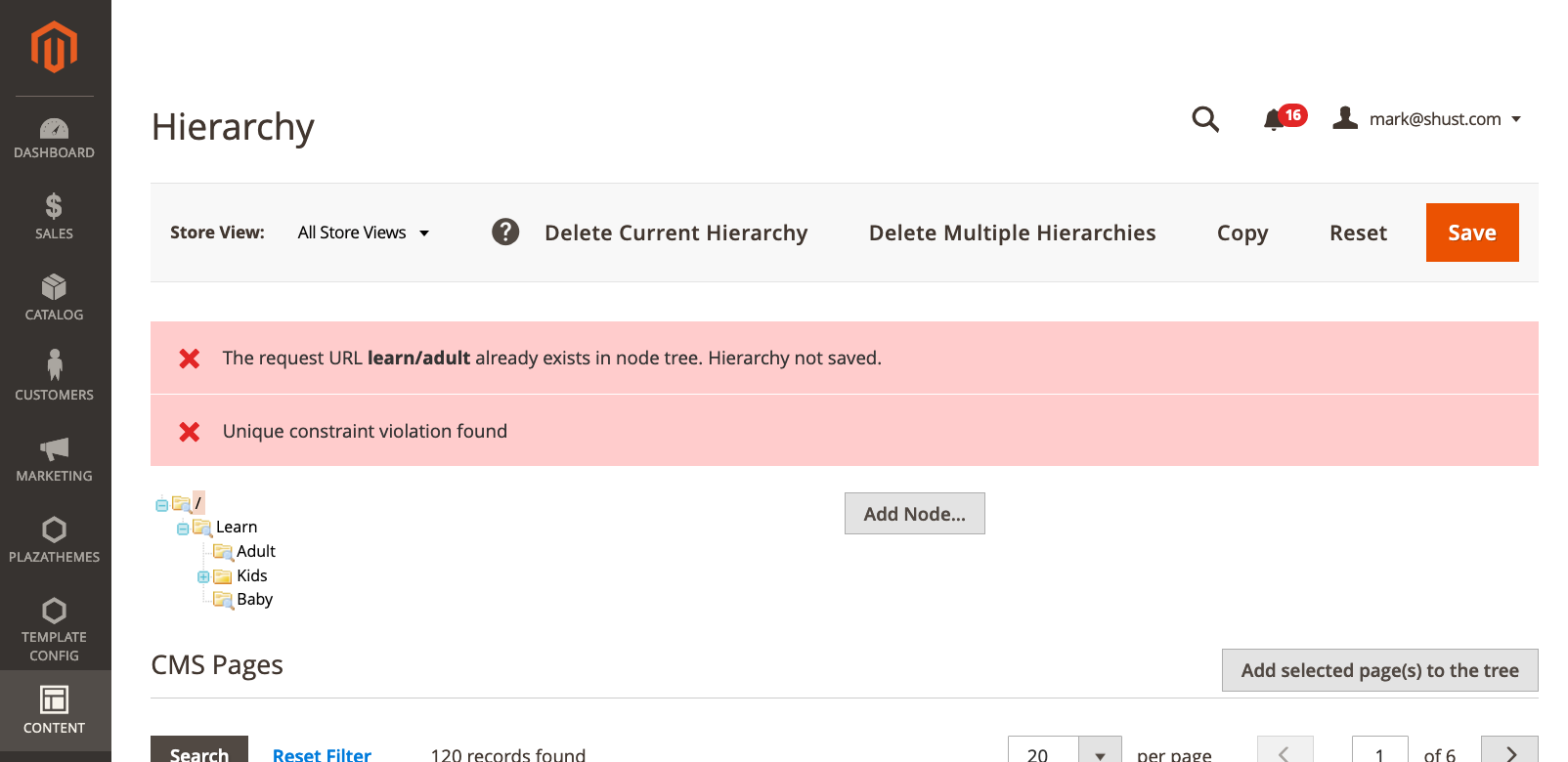
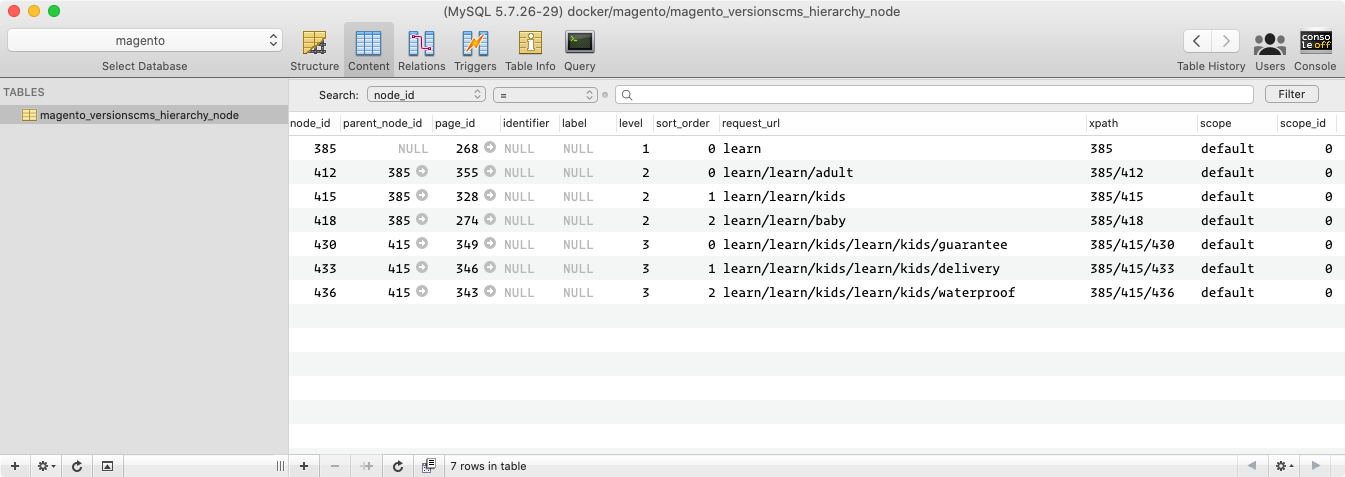
However, if the URL contains subpaths the hierarchy request paths will be setup incorrectly, leading to undesired route locations and breadcrumb links.
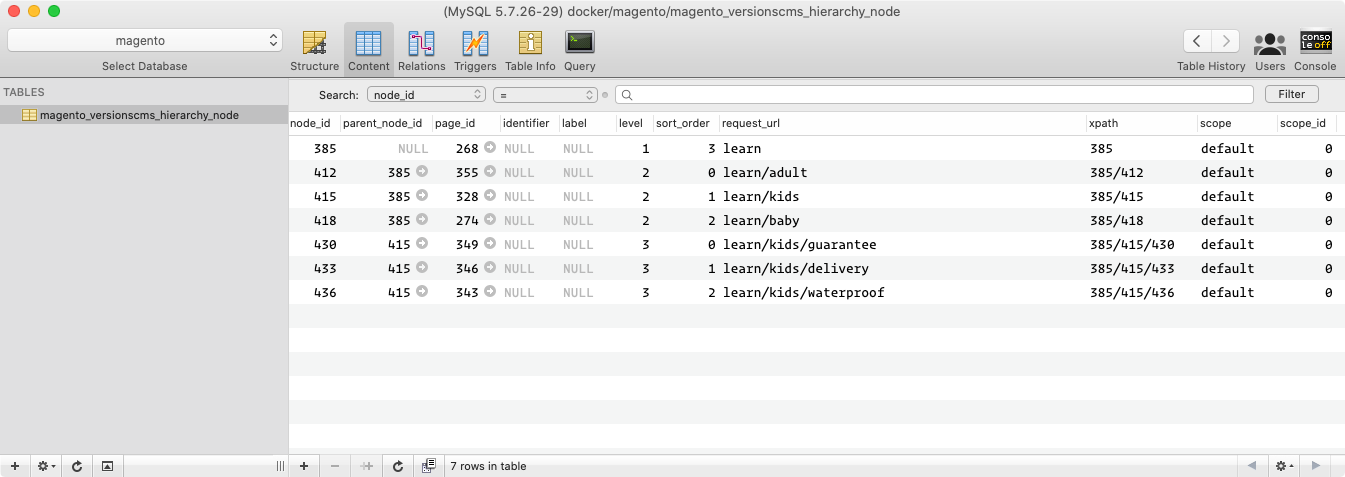
This module changes the functionality when saving the hierarchy, making these longer URL strings compatibile.
Before
After
Requirements
This module requires the hierarchy functionality which is only available in Magento Commerce.
Installation
Usage
This module has no configuration. Just install, then go to Admin > Content > Elements > Hierarchy, and re-save the hierarchy. The entire tree will be re-saved with the new request URLs.
In the event there are duplicate URLs in the tree, you will be notified. The hierarchy must not ever contain duplicate values for the request_path.